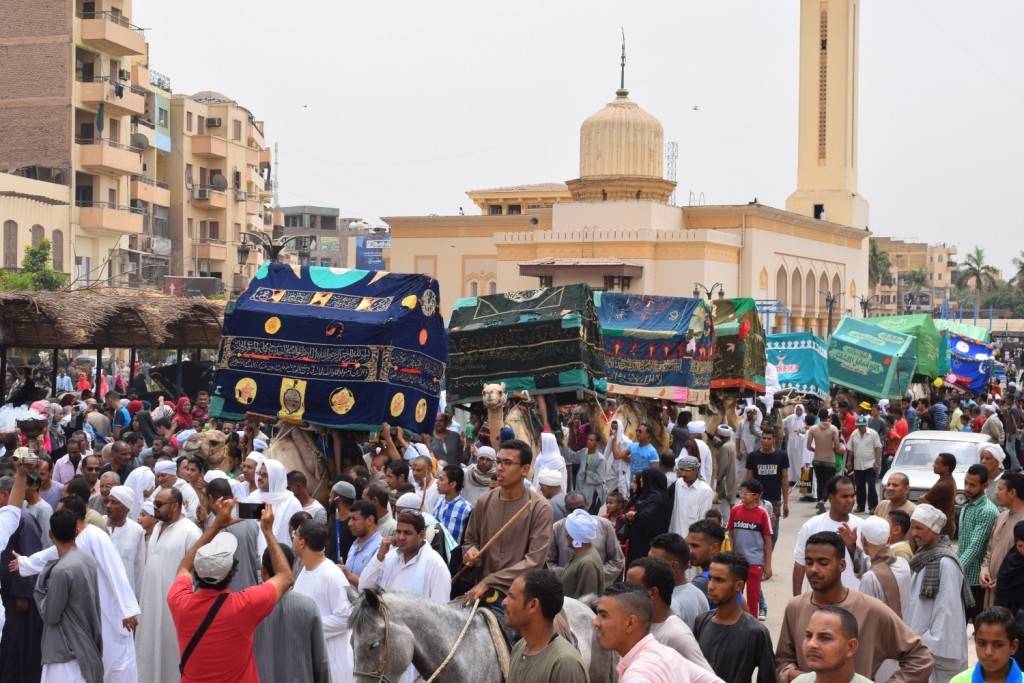
Every city has its own vibe, and in Luxor, that energy is shown not just in the impressive temples and tombs but also in the lively spirit of its people. Once a year, the streets around Luxor Temple become a colorful stage for a special event called the Moulid of Abu al-Haggag. Picture camels dressed in bright colors, proud horses, drums echoing off the walls, and families laughing and enjoying time together in the streets. This is more than just a festival; it is a long-standing tradition that brings together spirituality, community, and entertainment. It honors Sheikh Yusuf Abu al-Haggag, a beloved Sufi saint in Luxor. The moulid gives visitors a unique chance to experience the heart of Luxor, where faith and celebration blend beautifully.
Why the Moulid Captivates Luxor
The Moulid of Abu al-Haggag is not just a religious event; it’s a festival for the whole community, combining spirituality, culture, and happiness. It honors Sheikh Yusuf Abu al-Haggag, a famous Sufi leader from the 13th century. This celebration attracts locals of all ages and backgrounds. For visitors, it’s an opportunity to experience Luxor as a vibrant city where traditions are alive.
Historical Background of Abu al-Haggag
Sheikh Yusuf Abu al-Haggag came to Luxor in the 13th century. He earned a reputation for his wisdom, kindness, and spiritual guidance. His legacy continues through the Abu al-Haggag Mosque, which is located inside Luxor Temple. This unique blend of Islamic and Pharaonic culture shows Luxor’s rich history. The moulid keeps his memory alive, celebrating centuries of devotion.
The Abu al-Haggag Mosque sits directly atop the ancient colonnade of Luxor Temple — one of the world’s most striking examples of layered religious history.
When and Where the Festival Takes Place
The festival occurs during the Islamic month of Sha’ban, just before Ramadan. It usually lasts three days, with the main events happening around Abu al-Haggag Square and the nearby streets. The mosque serves as the spiritual heart of the celebration, while Luxor Temple provides a stunning backdrop, reminding everyone of the city’s ancient roots.
Highlights of the Celebrations
The moulid is well-known for its lively mix of rituals, performances, and community activities. Key highlights include:
- The Dora Parade: Colorful floats, camels decorated with ornaments, and horse riders march through the streets. This parade reflects ancient Egyptian festivals, where sacred boats were moved between temples — a tradition echoed in the historic Opet Festival.
- Tahtib Competitions: This traditional Egyptian stick fighting combines combat with dance. The skill and rhythm of the fighters captivate the audience. Learn more about this art in our guide to Tahtib.
- Horse Races and Carnival Rides: These events provide excitement for young people, showcasing talent and fun.
- Sufi Zikr Rituals: People come together to chant, sing, and sway in spiritual remembrance, creating a sense of devotion and unity.
- Community Feasts and Street Performances: Food stalls, music, and spontaneous dancing transform Luxor into a joyful carnival.
Atmosphere and Local Participation
The Moulid of Abu al-Haggag is special because everyone can join in. Muslims and Christians celebrate together, showing the spirit of coexistence in Luxor. Families prepare for weeks by decorating their homes and organizing group activities. Children enjoy rides and sweets, while elders lead prayers and tell stories. The atmosphere is filled with joy and cultural pride, with energy buzzing throughout Luxor.
Cultural Significance of the Moulid
The moulid is more than just fun; it is a tradition that connects the past with the present. Scholars often compare it to the ancient Opet Festival, where Egyptians paraded sacred boats between Karnak and Luxor Temple. Today, the Dora parade echoes that ritual, showing how Luxor’s identity has changed yet stays focused on celebration. For locals, the moulid strengthens community ties and honors Sufi heritage. For travelers, it provides a glimpse into Egypt’s soul.
Practical Travel Information
Luxor is easy to reach by train, bus, or domestic flights from Cairo. During the moulid, stay near Abu al-Haggag Square or Luxor Temple for easy access to the celebrations. You can find a range of hotels from budget guesthouses to luxury resorts along the Nile. Explore our guide to Where to Stay in Luxor for recommendations.
Food is a big part of the experience—try local dishes like koshari, feteer meshaltet, and sweets sold by street vendors during the festival. For more dining ideas, see Where to Eat in Luxor.
If you’re planning to mix the moulid with sightseeing, here’s a suggested itinerary:
– Day 1: Attend the Dora parade and explore Luxor Temple.
– Day 2: Visit Karnak Temple and enjoy evening zikr rituals.
– Day 3: Take a felucca ride on the Nile and join community feasts.
Experiencing the Spirit of Luxor
The Moulid of Abu al-Haggag is more than a festival; it shows the spirit of Luxor. It mixes Sufi devotion, ancient history, and modern joy, giving travelers a chance to see another side of Egypt. For locals, it reinforces their identity and unity. For visitors, it invites you to connect with the heart of Luxor.
If you want to understand Egypt as more than just a land of temples, experience the Moulid of Abu al-Haggag.